| Acne | Laser
Hair Removal
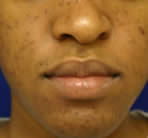 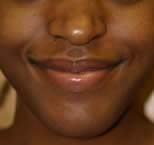
Acne vulgaris improved with isotretinoin (Accutane).
Acne
Acne is the term used when pores become inflamed
from an accumulation of oils, dead skin cells and bacteria.
It is often inherited. Contrary to popular myths, acne is not
caused by stress (although stress may worsen the condition),
eating too much chocolate, or drinking too much soda. Acne may be worsened during periods of hormone swings, as in puberty, pregnancy and around menses.
Acne is commonly found on the face, neck, shoulders,
chest, and back
and while not a life threatening disease, it can be both upsetting
and disfiguring. When severe, acne can lead to serious and permanent
scarring.
Some people develop ingrown hairs in the beard area (folliculitis barbae), scalp (dissecting folliculitis) and upper posterior neck (acne keloidalis nuchae) that can progress to scarring and permanent hair loss. These conditions are especially common in people of African American descent.
Although there is no sure way to prevent acne completely,
there are several techniques to help reduce the frequency and severity
of the outbreaks. Washing the skin can decrease the
build up of oils and dead skin cells. Washing too often
or too vigorously can cause damage by over drying the skin or
irritating existing acne lesions. Use of lotions or
make-up that contains oil can aggrevate acne. Finally, proper nutrition
is important. Our skin benefits from getting the right amounts
of nutrients and vitamins.
Treatment for acne can be as diverse as the condition
itself. Mild acne can often be controlled with gentle cleansers
and the application of products containing benzoyl peroxide or salicylic acid. In
more severe cases, prescriptions for an antibiotic or a topical retinoid or even isotretinoin (Accutane)
may be required.
Isotretinoin (Accutane) is a naturally occurring derivative of Vitamin
A and has been very effective in the treatment of severe
acne that is unresponsive to other treatments.
The standard isotretinoin (Accutane) course is between four to six month. Some patients may need additional treatments. There are risks
with this drug, the most serious of which is severe birth defects
if the drug is taken during pregnancy. Additional information can be found at OtisPregnancy.org. Consequently, any female
of child bearing age must be willing to commit to using two
methods of birth control or complete and perfect abstinence while taking isotretinoin (Accutane) and for one month after discontinuing the drug. In addition, the patient must agree to
never share the drug with anyone. Patients taking isotretinoin (Accutane) must enroll in the FDA mandated iPledge program. Follow up with monthly office visits and have monthly blood and urine tests is required.
Isotretinoin (Accutane) has also been associated with numerous other side effects, some are very serious. All prior medical conditions and current side effects or symptoms should be discussed with your dermatologist or physician assistant before beginning treatment and at your monthly office visits.
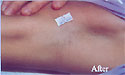
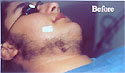
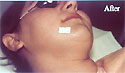
LightSheer Laser Hair Removal
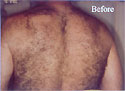
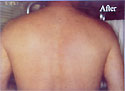
LightSheer Laser Hair Removal for excessive or unwanted hair may well be the gold standard for laser hair removal. For most patients,
4-6 treatments will result in an 80-90% reduction in hair. This
does not mean that the treated area will be 100% hair free but the hair should be much less dense and less noticable. Ideal
candidates are those with pale skin and dark hair however, dark skinned
individuals can be treated with excellent results but may require more treatment sessions
and are at somewhat greater risk for side effects.
There are several alternatives to laser hair removal including but not limited to electrolysis, shaving, waxing, threading, plucking, hair removal cream eflornithine (Vaniqa) or no treatment at all. Women and girls with excessive facial hair may benefit from a laboratory evaluation to rule out underlying hormone problems.
Pre-treatment Instructions
- Try to avoid tanning for 2 months. If you tan before treatment we will have to reduce the energy and you may require more treatments but you may still have your laser treatment. Side effects such
as hypopigmentation (white spots), hyperpigmentation (dark
spots), blistering, infection and scarring are unlikely but may result from laser therapy.
- Avoid bleaching, plucking, or waxing hair for 6 weeks prior
to treatment. Shaving is acceptable and all patients with thicker hair should shave prior to treatment. Shaving reduces the sensation of heat and makes the treatment easier for the patient.
- If you have a history of herpes (fever blisters) in the
areas to be treated, let the staff know so that a prophylactic
antiviral medication can be started.
- You should not receive laser hair removal if you are pregnant or nursing.
- Tell us if you or your family members scar or make keloids or have trouble healing.
- Although not usually necessary, a topical anesthetic may be used to reduce the discomfort
of hair removal treatment. This can be applied at home before the treatment
session or at the time of treatment. Anesthetics should not be used over large areas because of the risk of toxicity through the skin.
- Do not take Accutane or any isotretinoin for 6 months prior to laser therapy. Retinoids and acid creams should be discontinued for 48 hours prior to treatment. Stop all self-tanning products one week before treatment.
What to Expect and Postoperative Care
- During laser treatments you will wear goggles or eye shields.
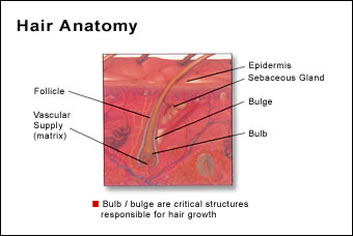
- Hairs will pop out during the treatment and continue to fall out over the next few days. Hairs remaining in the follicle will extrude typically within 1-2 weeks. This looks like new growth but it is the body's way of eliminating the hair from the injured follicle. Just because the hair falls out does not mean it is destroyed.
- Treated skin may be red for 30 minutes to 3 days. It may have a yellow discoloration for 1-2 hours after treatment. Minor crusting or scabbing of the treated area can occur and it may be tender. Apply Polysporin ountment to any raw areas. Cool packs during the first
few hours after treatment will reduce discomfort and swelling.
Many patients have no redness at all. Severe pain or pustules are unlikely and could be signs of infection. Please contact Dr. Sekula Gibbs if you have any concerns.
- Wash treated areas with mild soap and water. Gently cleanse with your fingertips. Use of a washcloth or other abrasive instrument is not recommended. Dove unscented, Cetaphil, Glyderm Gentle Cleanser, Vanicream Bar and Free & Clear Clenaser are acceptable.
- Use an SPF 15 or higher sunscreen everyday. Avoid unprotected sun exposure and use a sunscreen at all times during
the course of treatment to avoid hyperpigmentation (skin darkening) or hypopigmentation (skin lightening).
- Do not use waxing, electrolysis or tweezing for 6 weeks
after treatment. Shaving and depilatories may be used.
- Make an appointment for your next treatment at the first
sign of hair regrowth, usually at 3-6 weeks. Hair regrowth occurs at different rates
on different areas of the body. It may take 4-6 six weeks
for the upper body and possibly as long as 2-3 months for
the lower body.
Side Effects of Laser Hair Removal
- Pain — This varies with the area treated, the number
of hairs present and the darkness of the skin.
- Redness and swelling — This is to be expected and
is evidence that the laser is being used with enough energy
to remove hair follicles.
- Bruising
- Hypopigmentation (white spots), striping of skin
- Hyperpigmentation (dark spots)
- Blistering — Apply Polysporin ointment to blisters.
- Scarring
- Infection
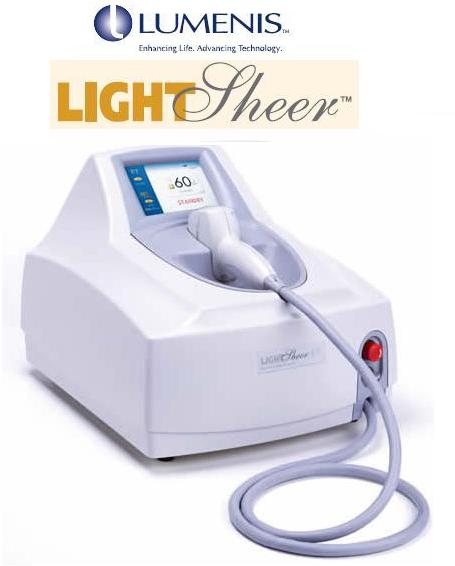
Hair removal packages are available at affordable prices.
Packages are effective for 2 years from purchase date.
Call 281-480-7546 to schedule your treatment.
Helping Troubled
Skin Become Healthy Skin
Acne,
Rosacea, Hair Loss, Excess Hair, Hormone Imbalance, Hidradenitis Suppurativa,
Trichotillomania, Skin Picking
- When severe cystic acne threatens to scar a young patient's
face isotretinoin (Accutane®) may be
indicated. Dr. Shelley Sekula Gibbs is a certified by the FDA iPLEDGE program to
prescribe isotretinoin. For moderate or mild acne, Dr. Sekula Gibbs will
prescribe a regimen for your particular skin condition and type.
- Losing one's hair, known as alopecia, can be emotionally traumatic.
Although often a normal part of aging as determined by your genes, hair
loss can be a sign of physical disease. Various tests may be indicated
to evaluate your hair loss, including blood work, scalp biopsy and, more
recently, a simple cheek swab (HairDx) that gives
information about your genetic likelihood to develop hair loss. With proper
treatment, androgenetic alopecia can sometimes be stopped and even reversed.
Minoxidil (Rogaine),
spironolactone (Aldactone) and/or finesteride (Propecia®) may be useful.
- Unwanted facial or body
hair can diminish a person's self-esteem. The first order of business
is to determine the root cause of excess hair growth called hirsutism. Hormone
studies may be necessary in certain patients. Medical and laser treatments may
be combined to give the best and the most long lasting results. LightSheer® is considered by many to be the
"gold standard" in laser hair removal for all skin types even tanned and very
dark skin. Excess hair can also be treated with eflornithine (Vaniqa®).
- Hidradenitis Suppurativa
HS causes painful boils and abscesses to form
in the groin and underarms theoretically due to blocked apocrine glands.
Treatment of HS is difficult - while lancing is not routinely effective and
cultures are usually sterile, draining can sometimes provide relief while
intralesional steroids often reduce swelling and tenderness. Topical and oral
antibiotics, Accutane (isotretinoin), and surgical excision have a role.
Excision of the inflamed area may be effective and should be done before sinus
tracts spread, if possible. Studies have shown mixed results from
anti-androgen therapy and little benefit from finesteride (Propecia) or
methotrexate. Immunosuppressants such as systemic steroids, cyclosporine,
dapsone, and TNF blockers like etanercept (Enbrel®), adalimumab (Humira®), and infliximab (Remicade®) have
been reported to be useful in individual cases. Pain management is important. More information can be found at the Hidradenitis Suppurativa Foundation website.
- Trichotillomania and Skin Picking
Compulsive hair pulling known as
trichotillomania and compulsive skin picking can be difficult problems for both
adults and children. A dermatologist can make the correct diagnosis but often a
psychologist or psychiatrist is needed to design a behavioral program to bring
about long term improvement such as Stop
Picking.com
|